The thinking behind our new brand
August 24, 2026

Odin Space launched a new brand and website earlier this summer. Since a lot of deliberate decisions sit behind it, we thought it was worth explaining a few of them.
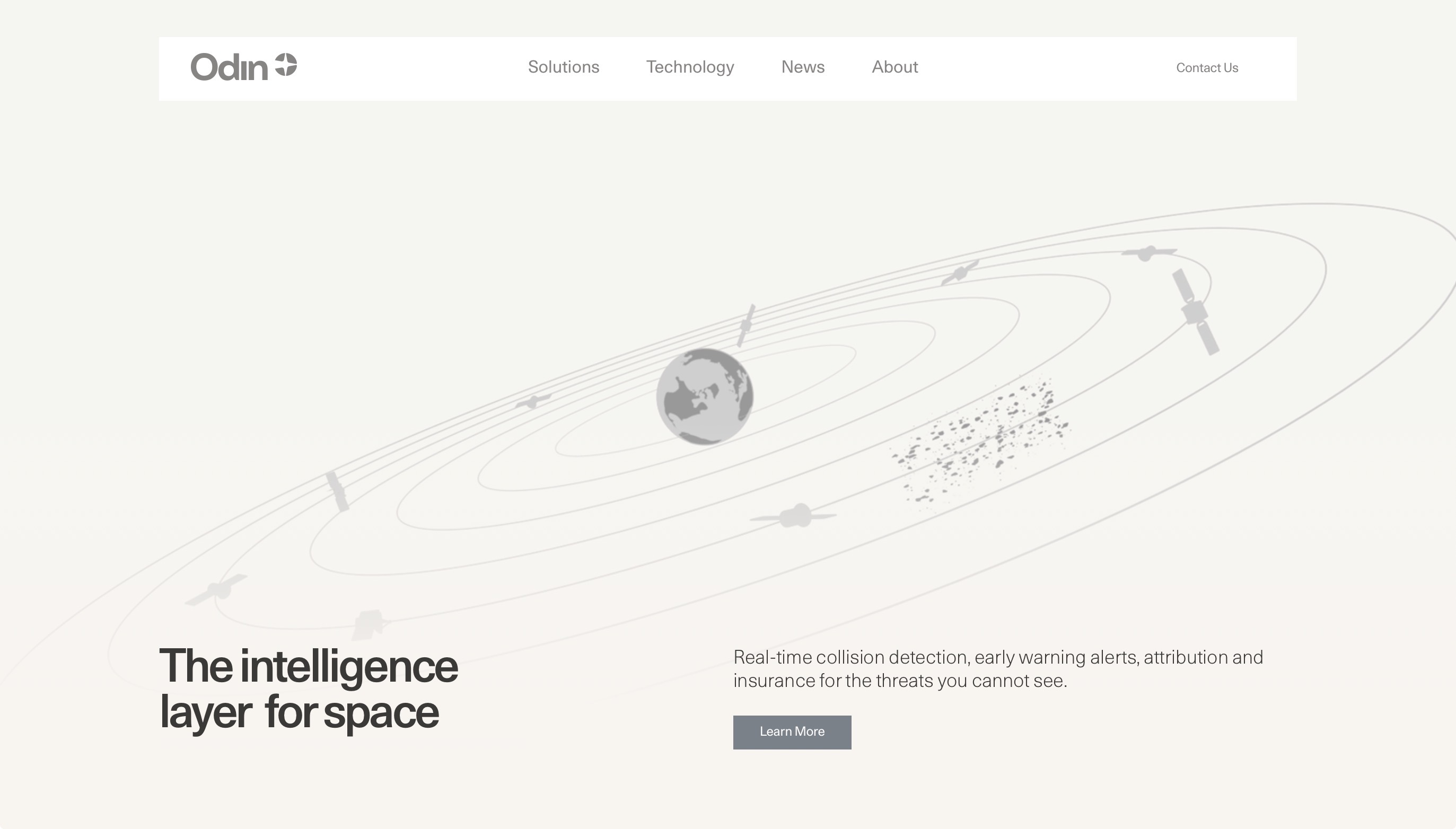
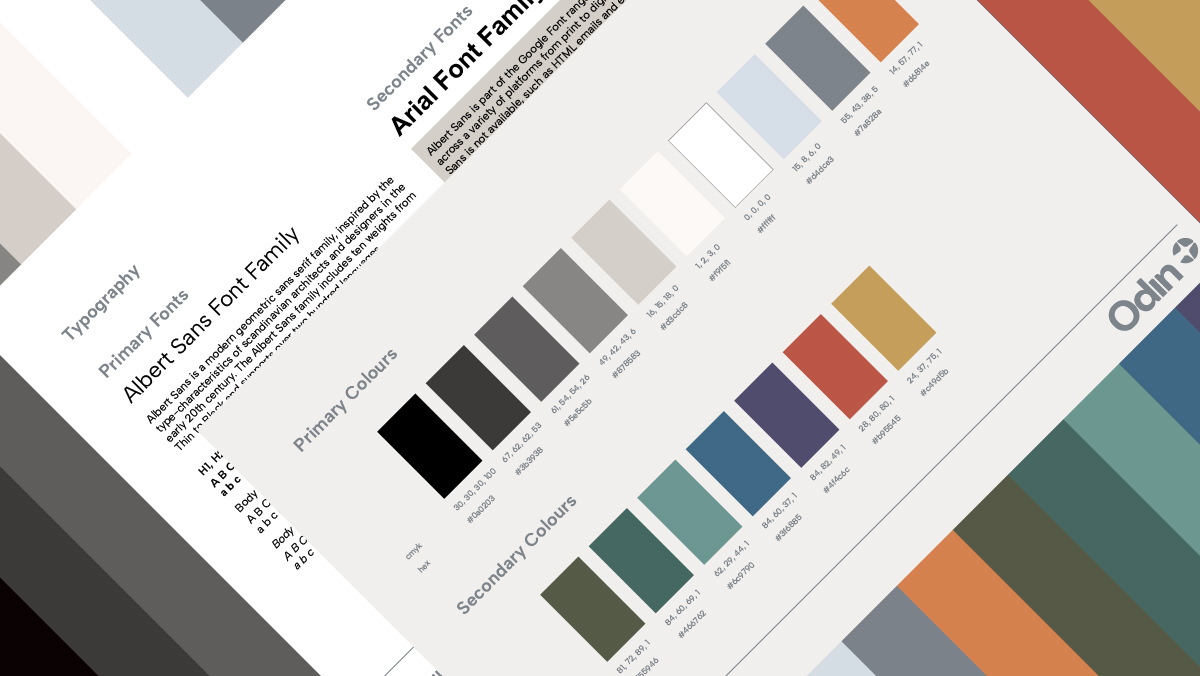
Space industry brand visuals tend toward a shared look: dark backgrounds, neon accents, hardware against a starfield. When we rebuilt our brand with the design agency HAUS, we went a different way. The new site is set in warm off-whites and soft grays, with sections of soft charcoal rather than pure black. Orbits are drawn as fine line diagrams. Debris appears as fields of small dots. The hardware is rendered in natural light, and where color appears it comes from the tones of a sunrise.
The reasoning is simple: a brand should feel like what the company does.
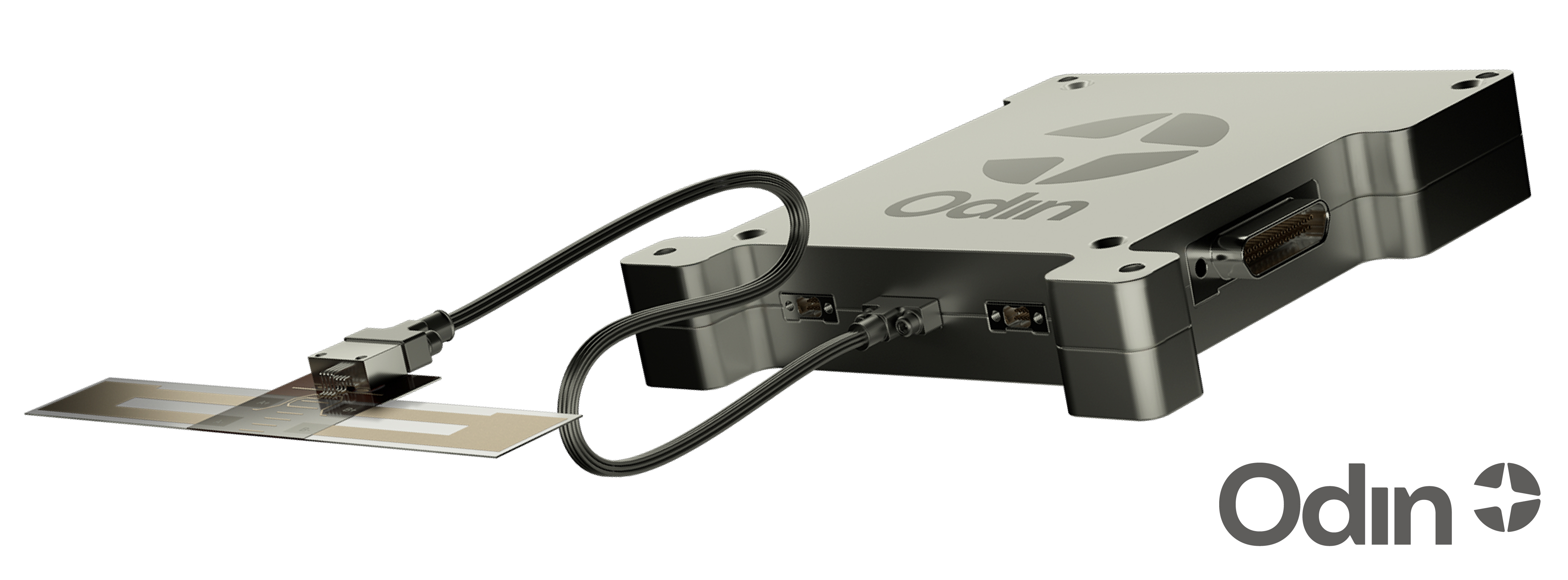
Odin's product is data: the record of what actually happens to a spacecraft in orbit. It is gathered by our Black Boxes, compact sensor units mounted on the outside of the spacecraft that register strikes from debris too small for any ground system to track, and it turns an unexplained satellite failure into a diagnosis. That data is what allows underwriters to price orbital risk, and it gives operators a route to insurance cover most have historically gone without. What our customers get from us, in the end, is certainty: fewer surprises in orbit and clear answers when something goes wrong. And certainty is stable and predictable; stability is calm. That is why we brand this way.
Behind that choice sits a longer story, and it is the one we most wanted the brand to carry. Frontier industries have always matured the same way: someone builds the mechanism for understanding loss. Merchants were insuring ships in London by the fifteenth century, and the market that later grew out of Lloyd's coffee house turned shipwreck from private ruin into priced, shared risk. Centuries of global trade were built on top of it. Aviation repeated the pattern in the twentieth century with the flight recorder: once crashes could be explained, flying became steadily safer, and what can be explained can be insured.
Space has not yet made that step. Most satellite failures are never attributed to a cause, and most operators fly without insurance. Odin’s Black Boxes give a spacecraft what the flight recorder gave the airliner, and the name is not a metaphor. The cover their data enables is underwritten in the same Lloyd's market that once insured sailing ships. Seen from that distance, orbital debris stops looking like a novel catastrophe and starts looking like a familiar stage in the life of a young industry: the point where it learns to measure what it loses.
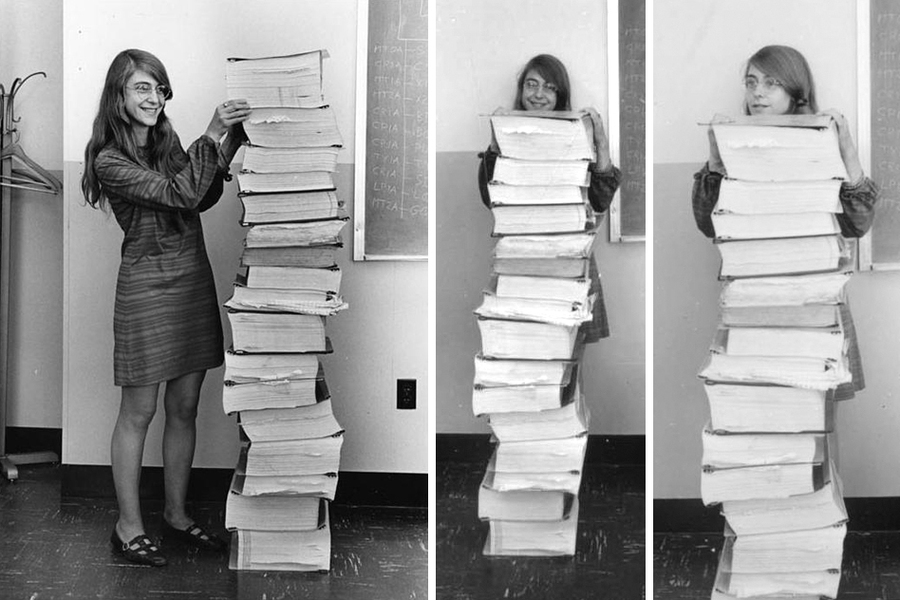
The visual references come from the analog era of spaceflight: the punch cards of the Apollo program, and the photograph of Margaret Hamilton standing beside a printout of guidance code as tall as she is. That period of engineering was defined by care and verification, and it gave us the dot motif that now runs through our data graphics and orbital illustrations.
Classic, though, is not retro. We borrowed the discipline of that era without its costumes: no film grain, no nostalgic fonts. The typography is plain and modernist, chosen with a practical test in mind. The best logos of the 1950s and 60s are still in use today, and a company that intends to become part of space infrastructure should not need a rebrand every five years.
That heritage is why the brand reaches back rather than forward for its visual references, and why the site opens with the words "the intelligence layer for space." Making a frontier ordinary is one of the oldest jobs in commerce. We wanted a website that looks like part of that tradition, and reflects our position in the industry, rather than one that borrows drama it doesn't need.
Odin Space is not an insurer. Cover enabled by Odin's data is underwritten by Lloyd's of London insurers; Odin provides the sensing and attribution data that makes it possible.